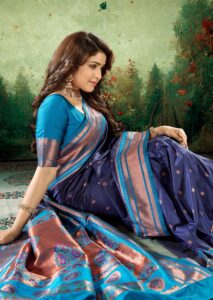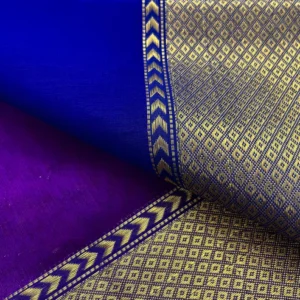
Understanding different types of Silk Sarees across India
India is an integration of diverse religion, languages, culture, cuisine and clothing as well. However, there exists one apparel that is dear to all Indian Women, which they adorn with pleasure and that is Saree, especially a Silk Saree. Alike the diverse culture in this country, there are various types of silk being woven and with different techniques. These techniques are really old some dating back to 11th Century, however, the first evidence of silk weaving in India dates back to 1500 BC. Due to the presence of different types of Silk techniques, the types of Silk Sarees across India differ from region to region for example, the Sualkuchi Silk from Assam is in every way different from Maheshwari Cotton Silk from Maheshwar. The availability, pattern, technique, fibre, and costing in different types of Silk Sarees influence the types of Silk Sarees available to choose from.
Now, let’s take a dive down the different types of Silk Sarees that are made in India:
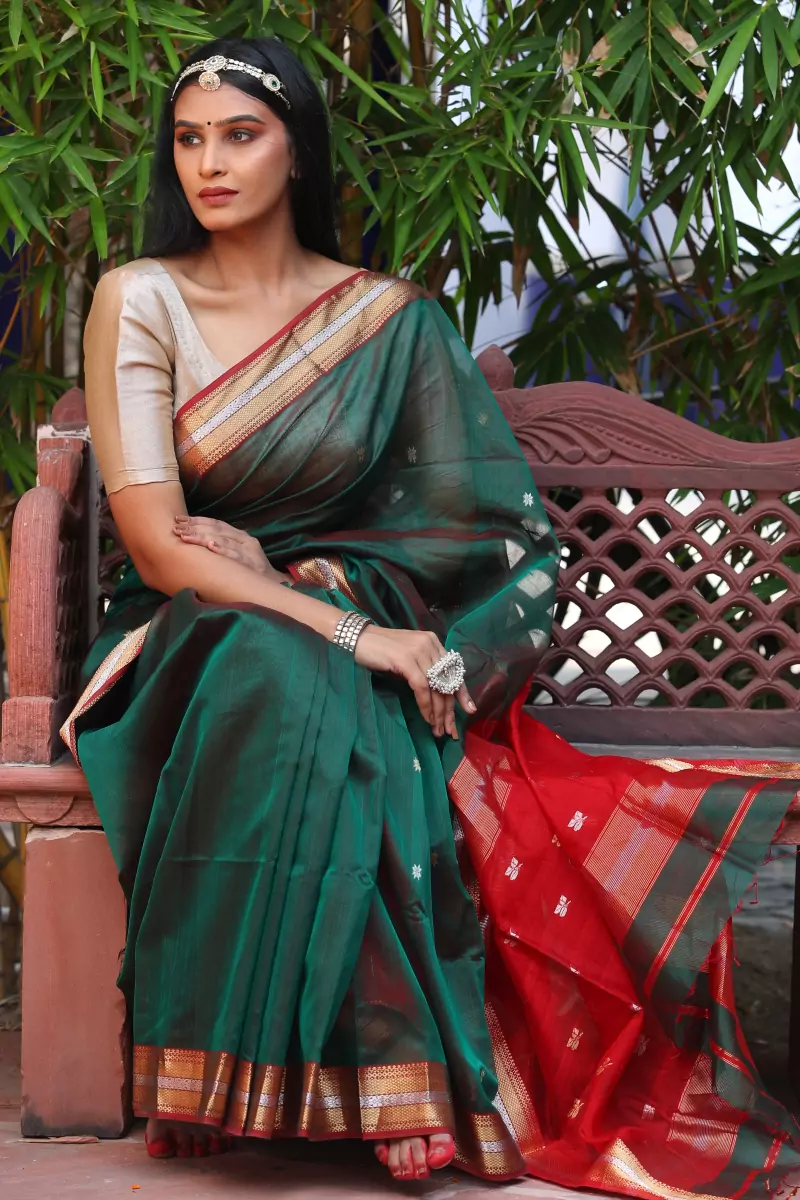
Maheshwari silk sarees originate from the town of Maheshwar in Madhya Pradesh. Known for their elegance and lightweight feel, these type of silk sarees are made from a blend of silk and cotton, resulting in a fabric that is both comfortable and luxurious. The history of Maheshwari sarees dates back to the 18th century, when they were first commissioned by Queen Ahilyabai Holkar of the Holkar dynasty. The designs include motifs inspired by the local architecture, such as temples and forts, along with geometric patterns, floral designs, and stripes and vibrant colours. Maheshwari silk sarees are versatile, suitable for both formal occasions and everyday wear. Moreover, their lightweight nature makes them comfortable for extended wear, while their luxurious appearance is suitable for festive occasions. The sarees are finished with a Zari border, thus, adding a touch of shimmer and creating further appeal.
1. Banarasi Silk Sarees
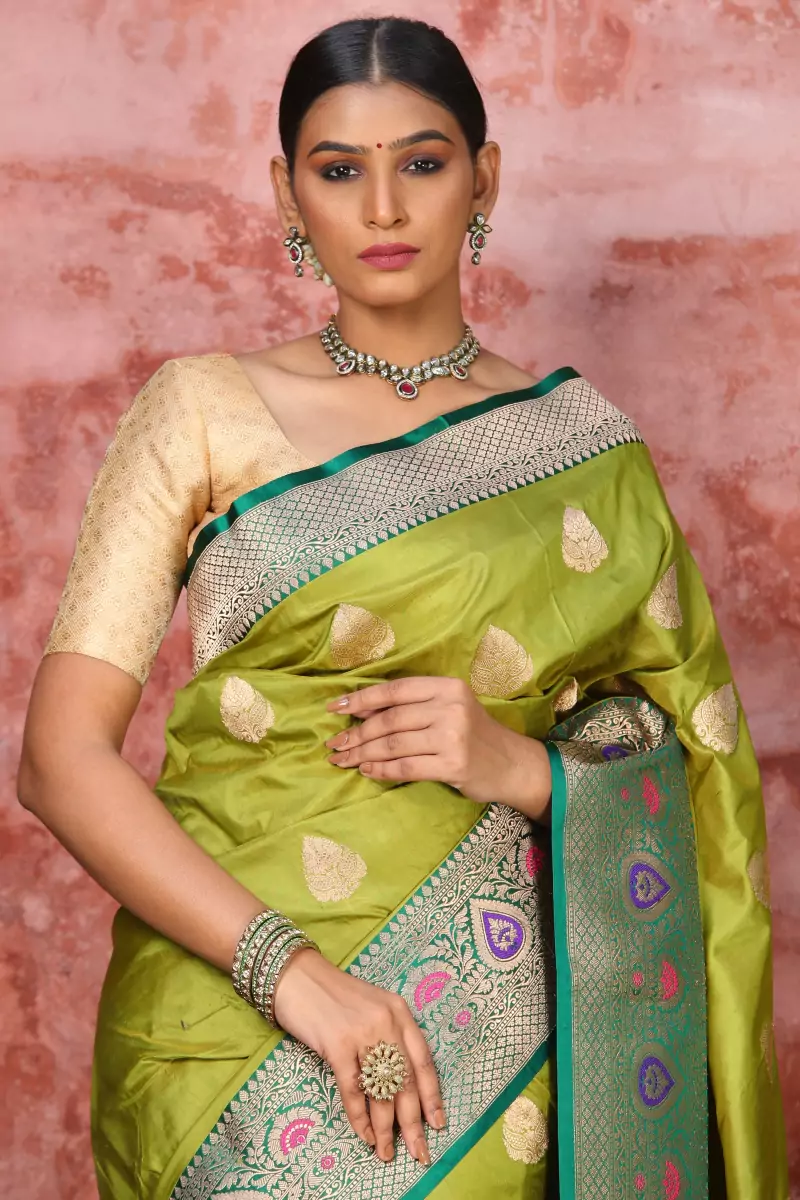
These Silk Sarees originates for Varanasi and are considered a symbol of richness and classiness (well almost all the Silk Sarees are). The Banarasi Silk Sarees are very famous amongst Indian Brides. These Sarees are beautifully woven with intricate floral and paisley patterns, with zari, jal and mina work, and also include gold work, compact weaving, figures with very beautiful minute details. The work in these sarees is very detailed, due to which it talks from 15 days to 6 months sometimes to complete a single saree. These Sarees come in various vibrant colours ranging from beige and gold to pink and red. There are different types of Banarasi Silk Sarees, like pure silk which is known are Katan, Kora (Organza), Zari, Georgette and Shattir. The process of Banarasi Silk Saree design is divided into Jangla, Tanchoi, Vaskat, Cutwork, Tissue and Butidar.
2. Baluchari Silk Sarees
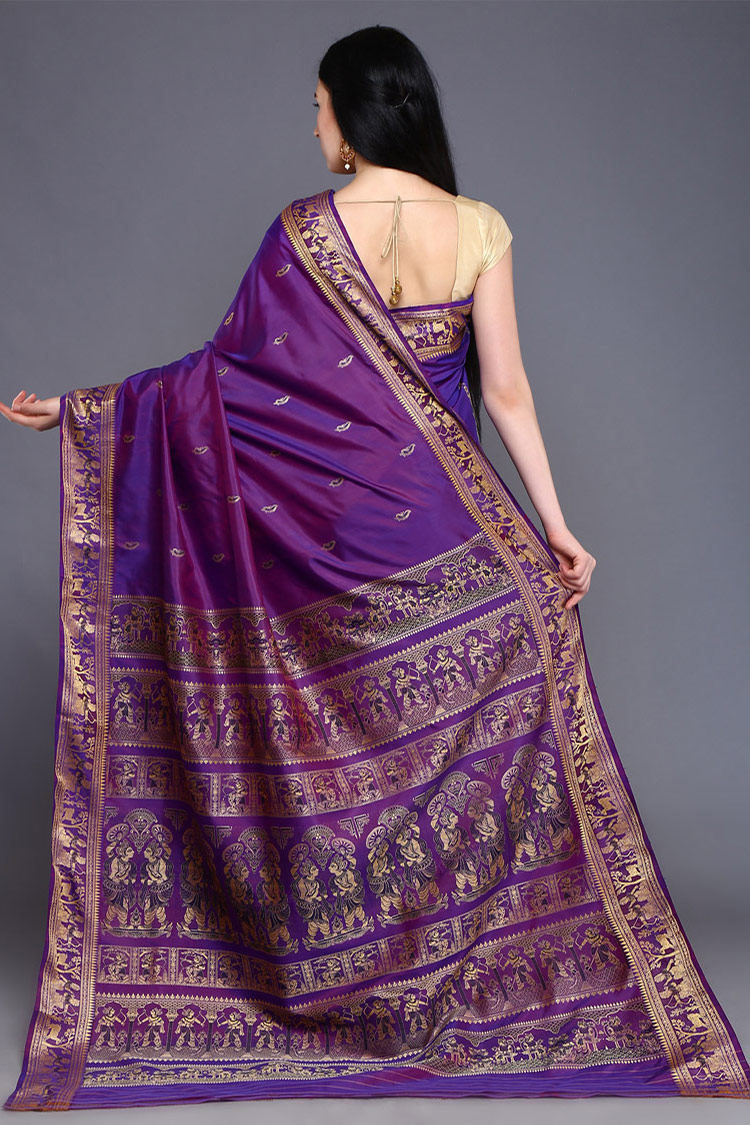
Baluchari Silk Sarees originate from Murshidabad district of West Bengal, India. These are famous for their luxurious and elegant look. Baluchari Sarees are mainly known for their pallus that display various historical events (like Ramayan), mythological scenes and other cultural traditions which creates a different appeal for these sarees. It takes around week for a worker to complete one Baluchari Silk Saree.
3. Assam Silk Sarees
The Assam Silk Sarees are very popular for their soft texture, durability and lightweight features. These Silk Sarees are very old dating back to 11th century and are commonly hand woven and takes more than a month to complete. The Assam Silk Sarees include the Sualkuchi Silk which originates from Sualkuchi village in Assam. Sualkuchi is the textile centre of Assam and Muga Silk, Pat Silk, Eri Silk and Endi cloth from this region is famous for its quality. This silk is used to weave Assamese traditional wear. The Silk Sarees come in a large range of colours like red and black to soft colours like pink and beige.

4. Muga Silk Sarees
Muga silk, exclusive to Assam, is known for its natural golden hue and durability. Muga silk sarees often feature traditional Assamese motifs and are a prized possession due to the labour-intensive process of extracting the silk. These sarees are perfect for cultural events and add a touch of heritage to any wardrobe. To preserve their lustre, Muga silk sarees should be stored in a dry, cool place.

5. Eri Silk Sarees
Eri silk, also known as ‘Ahimsa silk,’ is produced primarily in Assam. Known for its eco-friendly and cruelty-free production process, Eri silk sarees are soft, warm, and durable. These sarees often feature traditional Assamese patterns and are suitable for both casual and formal wear. Hand washing and avoiding direct sunlight help in preserving their quality.

6. Bomkai Silk Sarees
Originated from Bomkai, Odisha, it is also known as Sonepuri Sari. These sarees were originally designed in a traditional manner containing colours and fish motifs which are woven in the saree, but nowadays, these sarees are available with modern design but the traditional essence of the saree is kept alive at the border and the pallu section. Actress Aishwarya Rai Bachchan wore a form of Bomkai saree called Radhakunja for her weeding day.

7. Kanjivaram Silk Sarees
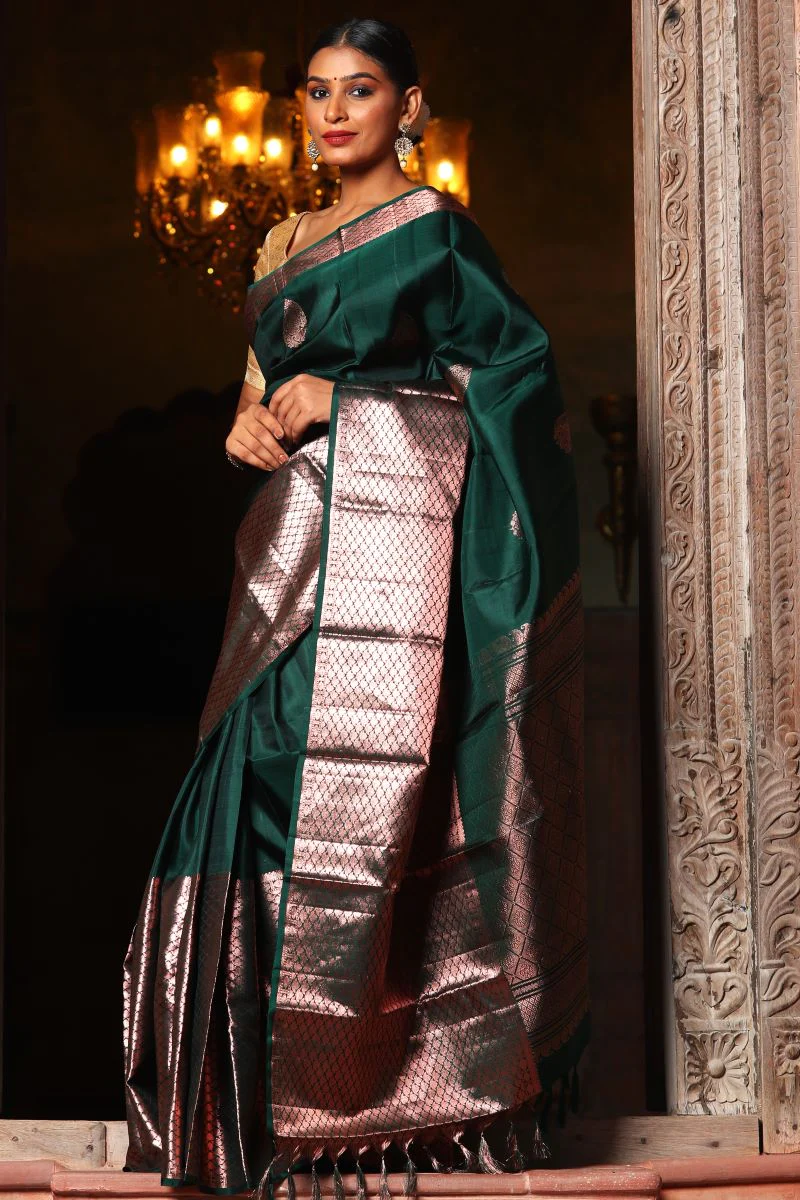
Originating from the town of Kanchipuram in Tamil Nadu, Kanjivaram silk sarees are renowned for their rich texture, vibrant colours, and intricate designs. These Kanjivaram Silk Sarees are often characterized by their heavy silk and gold Zari work, making them a popular choice for weddings and special occasions. The traditional motifs, such as temple borders, checks, and florals, add to their grandeur. Caring for Kanjivaram sarees involves gentle hand washing or dry cleaning to maintain their sheen and texture.
8. Pochampally Silk Sarees
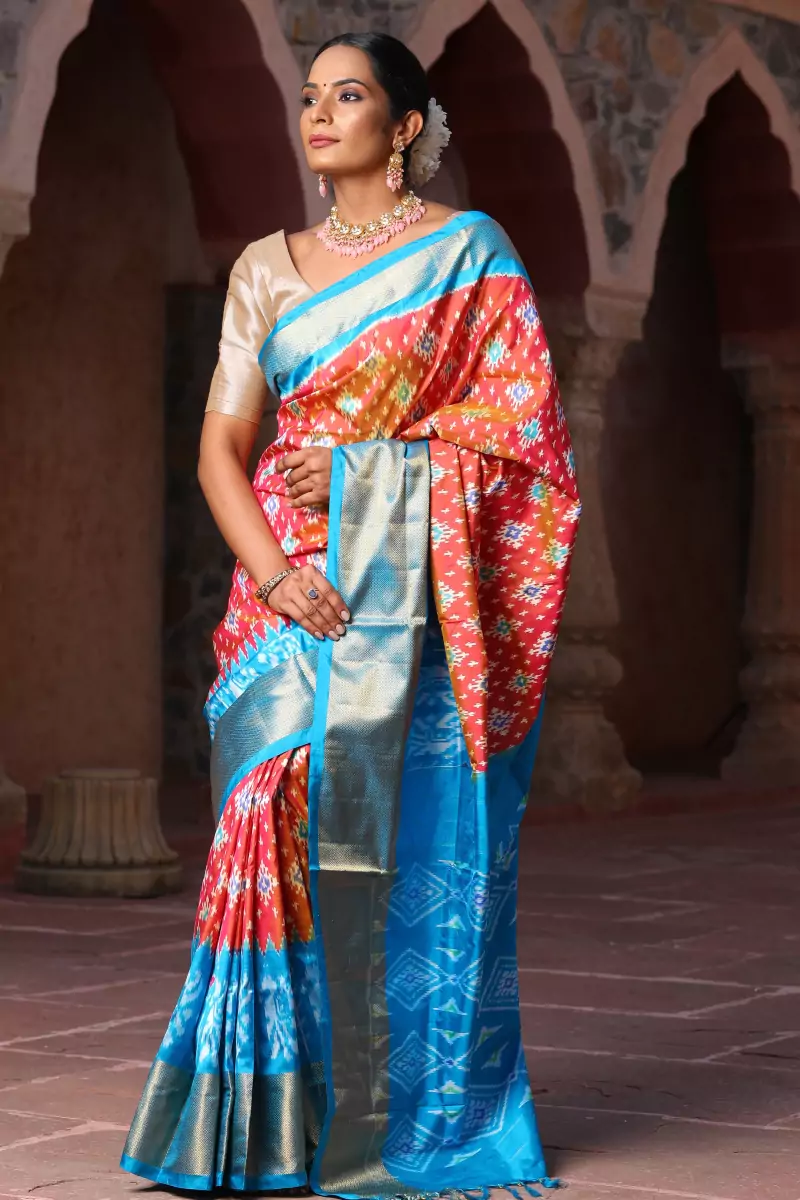
Pochampally silk sarees, originating from the Bhoodan Pochampally region in Telangana, are famous for their unique Ikat weaving technique. This method involves tie-dyeing the yarn before weaving to create intricate geometric patterns and vibrant colour combinations. Pochampally Silk Sarees are ideal for festive occasions and are cherished for their lightweight and comfortable drape.
9. Tussar Silk Sarees
Tussar silk, also known as ‘wild silk,’ also known as Bhagalpuri Silk is produced primarily in Bihar, Jharkhand, and West Bengal. Tussar silk sarees are appreciated for their rich texture, natural golden sheen, and eco-friendly production process. The sarees often feature natural motifs like leaves and flowers, making them perfect for both casual and formal wear. Proper maintenance includes dry cleaning and storing them away from direct sunlight.

10. Uppada Silk Sarees
Uppada silk sarees come from the village of Uppada in Andhra Pradesh. These sarees are known for their lightweight, sheer texture, and intricate jamdani weaving technique. Popular for their floral and paisley designs, Uppada sarees are suitable for weddings and other grand events. They are easy to drape and offer a blend of comfort and elegance.
11. Kashmiri Silk Sarees
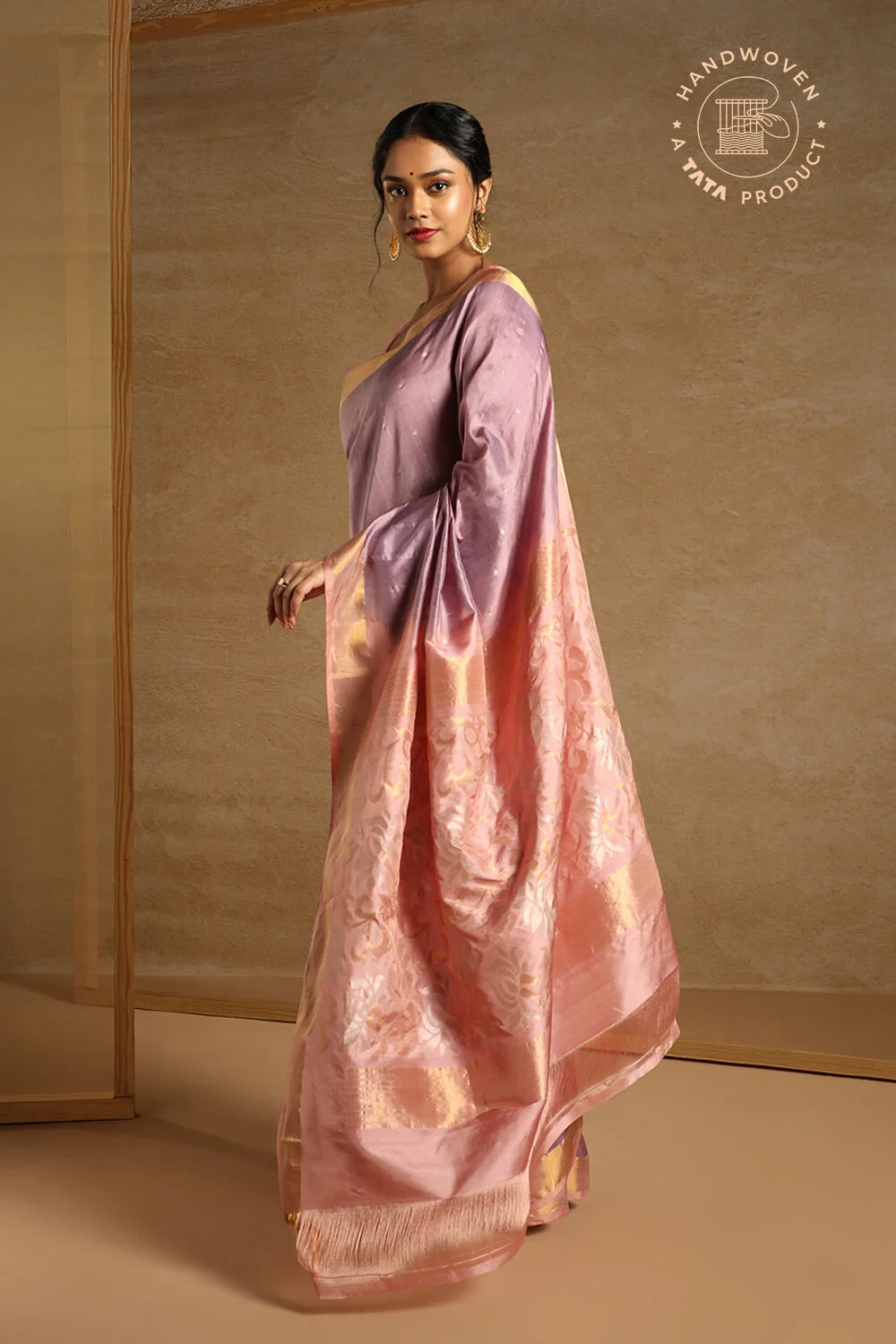
Kashmiri silk sarees, originating from the beautiful valley of Kashmir, are renowned for their luxurious texture and intricate embroidery. These sarees are crafted from high-quality silk, providing a soft, smooth, and rich feel. The standout feature of Kashmiri silk sarees is their detailed hand-embroidery, known as ‘Kashida,’ which often showcases traditional motifs such as paisleys, flowers, and vines. This embroidery is done with fine threads, adding an elegant and opulent touch to the sarees.

12. Patola Silk Sarees
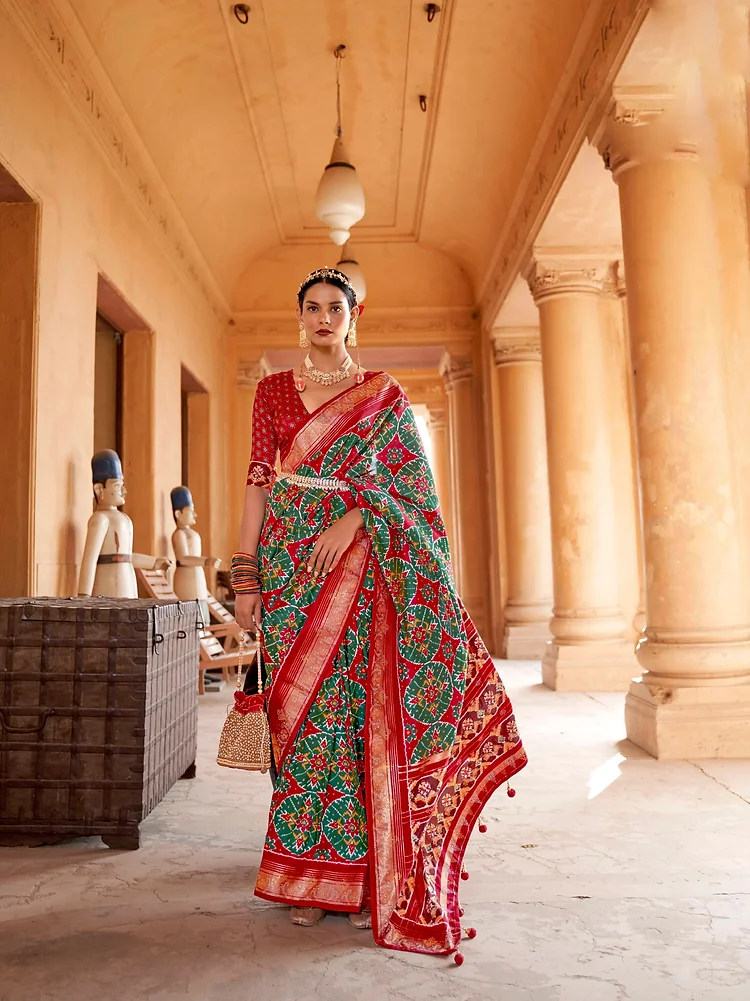
Patola silk sarees, originating from Patan in Gujarat, are renowned for their double ikat weaving technique. This complex process results in stunningly vibrant patterns and designs that are identical on both sides of the fabric. Patola sarees are considered a luxury item due to the time-consuming and skill-intensive production process. These sarees are a great choice for festive occasions and traditional ceremonies.
13. Mysore Silk Sarees
From the city of Mysore in Karnataka, Mysore silk sarees are distinguished by their smooth texture, subtle designs and vibrant colours. They often feature minimalistic designs with a focus on the quality of silk and the purity of the Zari. Mysore silk sarees are versatile, suitable for both daily wear and special occasions. Their timeless appeal lies in their simplicity and elegance.

14. Chanderi Silk Sarees
Chanderi silk sarees, originating from the town of Chanderi in Madhya Pradesh, are characterized by their sheer texture and lightweight feel. These sarees often feature traditional motifs like coins, florals, and peacocks, woven with a mix of silk and cotton. Chanderi sarees are ideal for summer weddings and daytime events, offering a blend of elegance and comfort.
15. Kota Silk Sarees
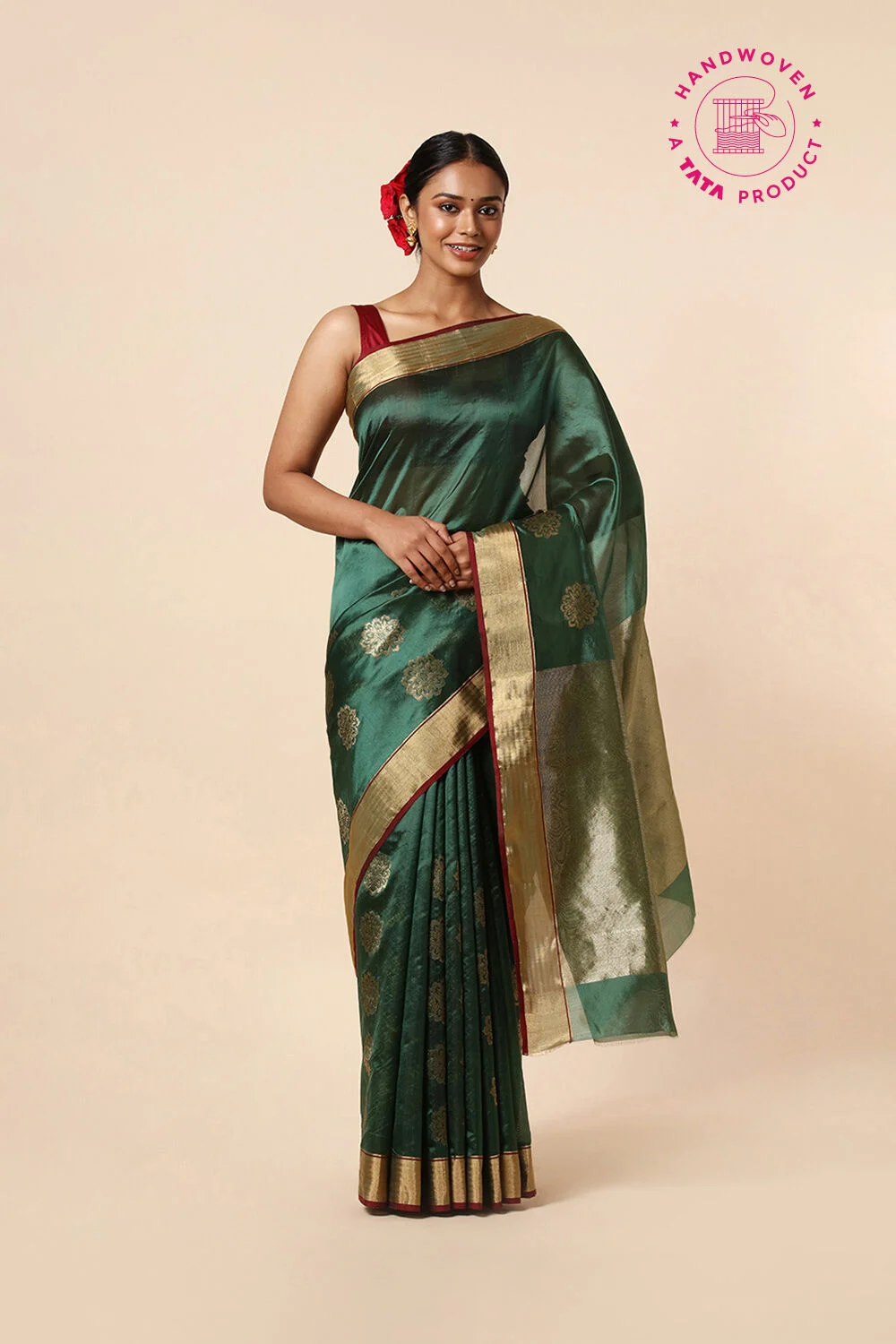
Kota silk sarees, originating from Kota in Rajasthan, are celebrated for their lightweight and translucent texture. These sarees are woven with fine threads of silk and cotton, creating a distinctive checkered pattern known as ‘khat.’ These sarees are perfect for summer wear and provide a breezy, elegant look.
16. Arani Silk Sarees
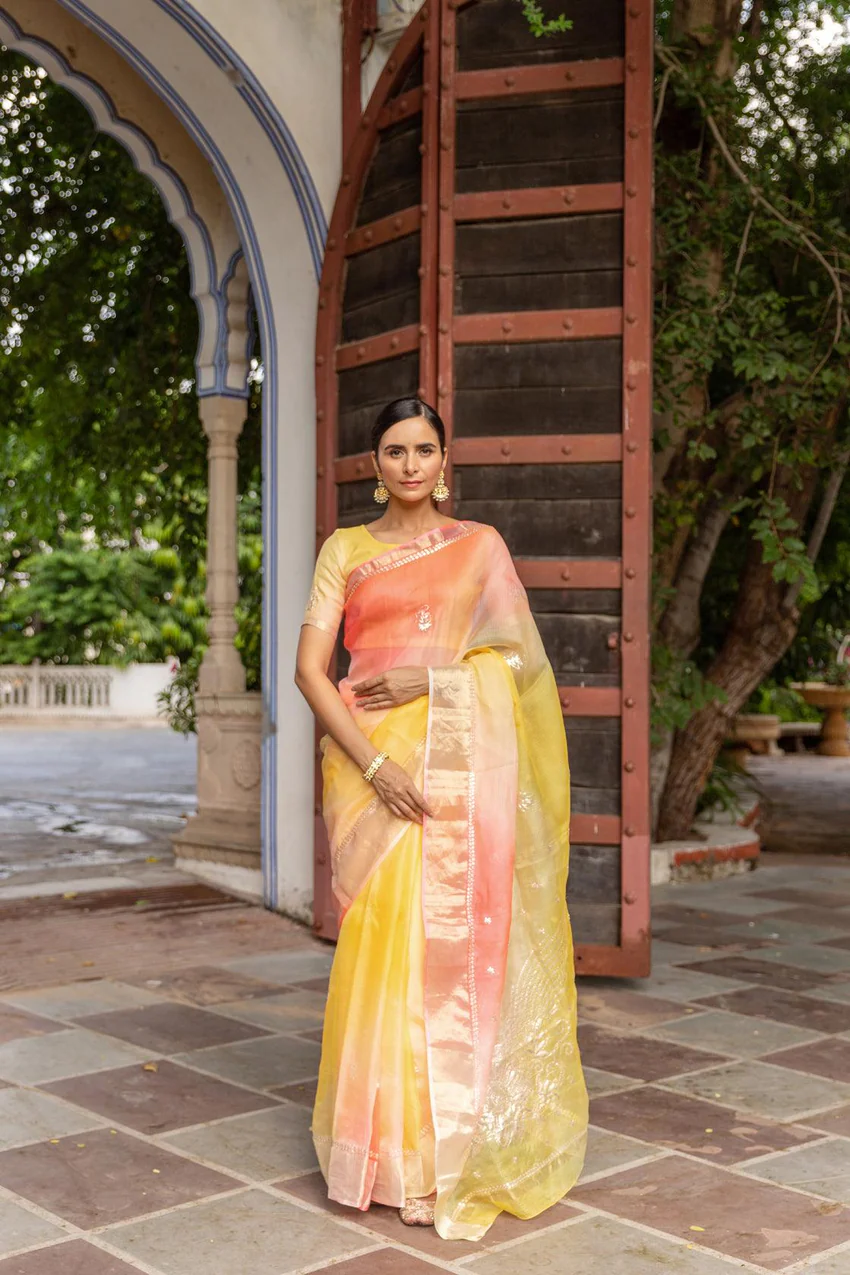
Arani silk sarees from Tamil Nadu are known for their rich colours and intricate designs. The sarees often feature traditional motifs and are woven using a combination of silk and cotton threads. They are suitable for weddings and festive occasions, offering a touch of traditional charm.
17. Dharmavaram Silk Sarees
Dharmavaram silk sarees, hailing from Andhra Pradesh, are renowned for their broad borders and vibrant colours. These sarees feature intricate designs and motifs, making them a popular choice for weddings and special events. Lastly, Proper care includes dry cleaning and storing them in a cool, dry place.
18. Gadwal Silk Sarees
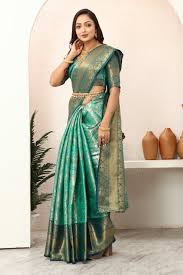
Gadwal silk sarees, originating from Telangana, are known for their unique combination of silk and cotton. The sarees typically have a silk body and cotton pallu, adorned with intricate Zari work. They are lightweight, comfortable, and, therefore, perfect for various occasions.
19. Ilkal Silk Sarees
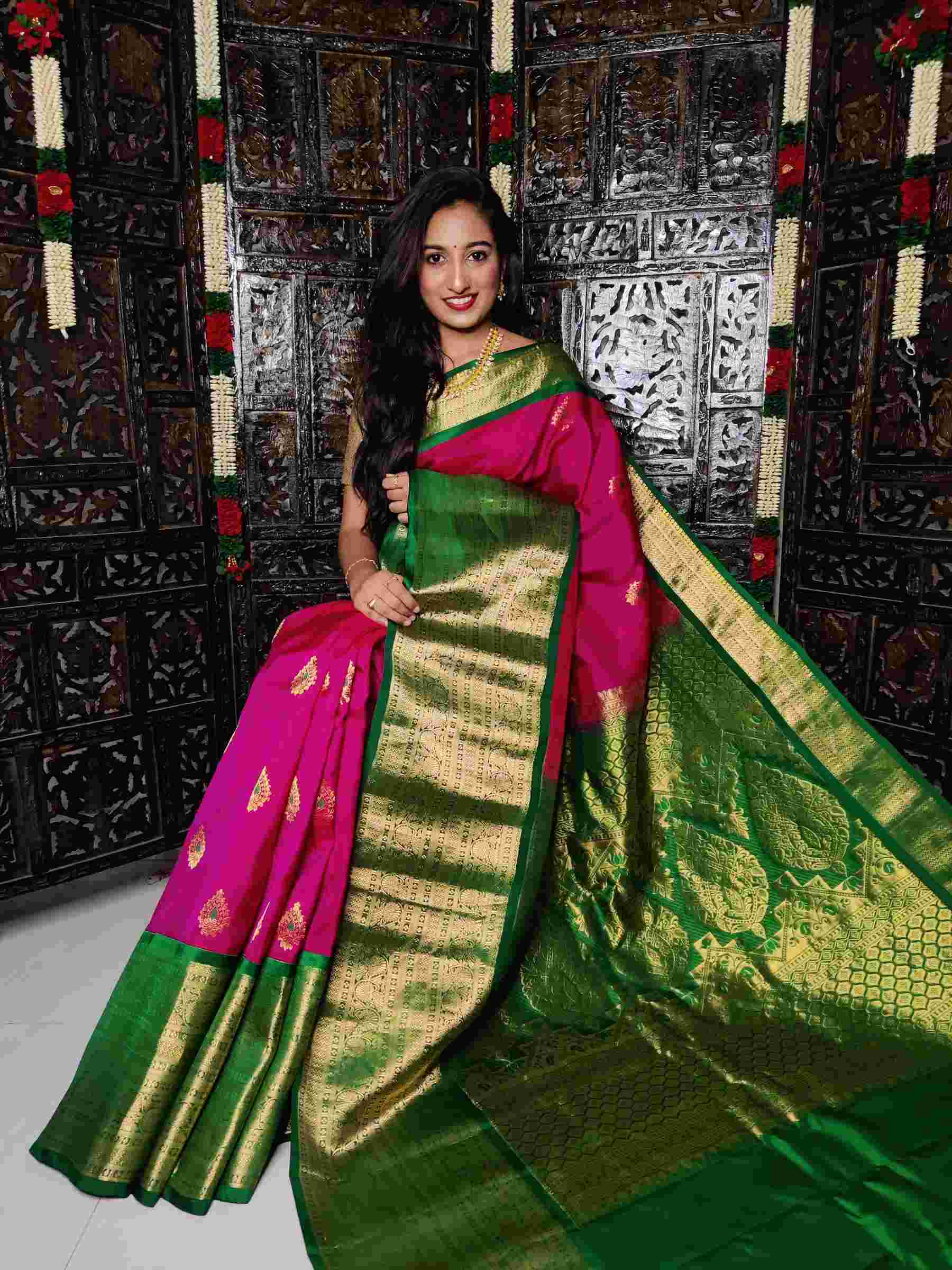
Ilkal silk sarees, originating from Ilkal in Karnataka, are distinguished by their unique pallu and traditional patterns. These sarees often feature temple designs and stripes, making them a popular choice for cultural events and traditional ceremonies. They are best maintained through hand washing or dry cleaning.

20. Narayanpet Silk Sarees
Narayanpet silk sarees from Telangana are known for their rich colours, checkered patterns, and traditional borders. These sarees are lightweight and comfortable, hence making them suitable for both festive occasions and daily wear. To maintain their quality, gentle washing and cleaning is recommended.

21. Jamdani Silk Sarees
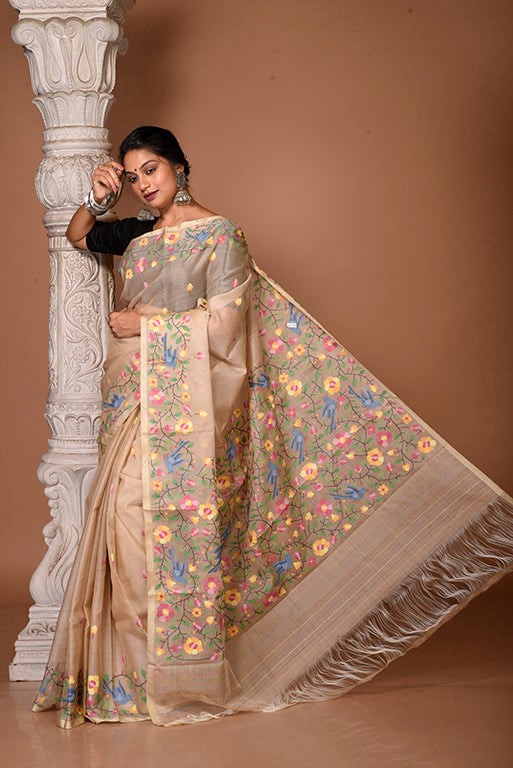
Jamdani silk sarees are a product of intricate weaving techniques originating from Bengal. These sarees are known for their elaborate and rich designs, often featuring geometric and floral motifs. The craftsmanship involves hand weaving, making each saree a unique piece of art. Ideal for festive and special occasions, Jamdani silk sarees require careful handling and maintenance to preserve their intricate patterns.
22. Kora Silk Sarees
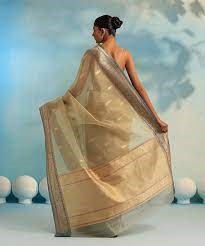
Kora silk sarees, also known as organza silk sarees, are known for their sheer, lightweight texture and crisp feel. Originating from Varanasi, these sarees are often adorned with delicate zari work and traditional motifs. Their elegant and sophisticated look makes them a perfect choice for formal events and parties. Proper care involves gentle hand washing and avoiding excessive folding to maintain their shape and texture.
23. Matka Silk Sarees
Matka silk sarees are known for their rough texture and durability. Produced from the waste of Mulberry silk, primarily in Bengal and Karnataka, these sarees have a distinctive, uneven texture that adds to their rustic charm. They are ideal for both casual and semi-formal wear, thus, offering a unique blend of simplicity and elegance. Matka silk sarees are dry cleaned to maintain their quality.

24. Paithani Silk Sarees
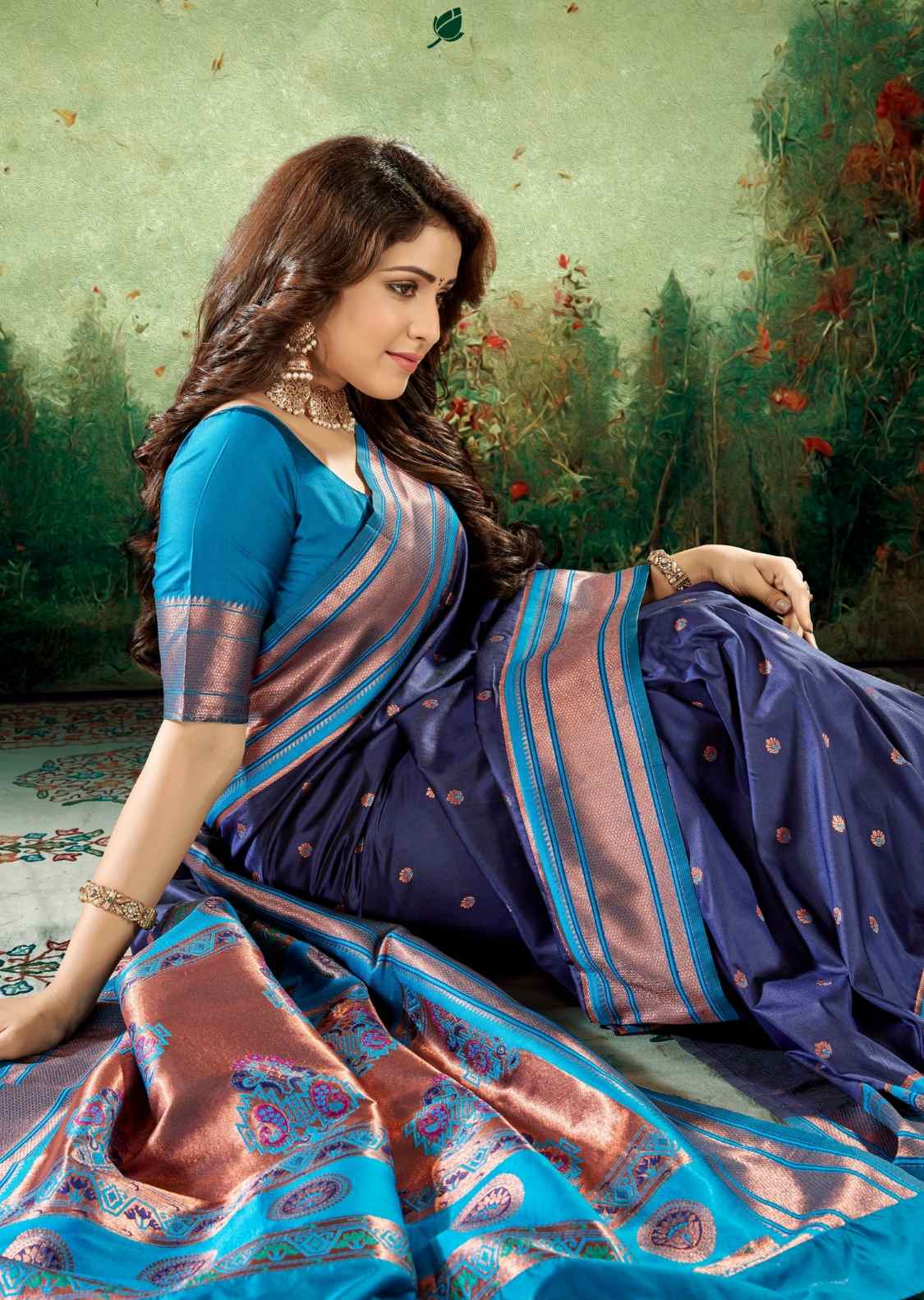
These Silk sarees from Maharashtra are known for their rich tapestry and vibrant colours. These sarees feature intricate motifs, such as peacocks and flowers, woven with gold and silver threads. The elaborate pallu designs are a hallmark of Paithani sarees, as a result making them a prized possession for weddings and festive occasions. To preserve their beauty, Paithani sarees should be stored in a cool, dry place and dry cleaned.
25. Tissue Silk Sarees
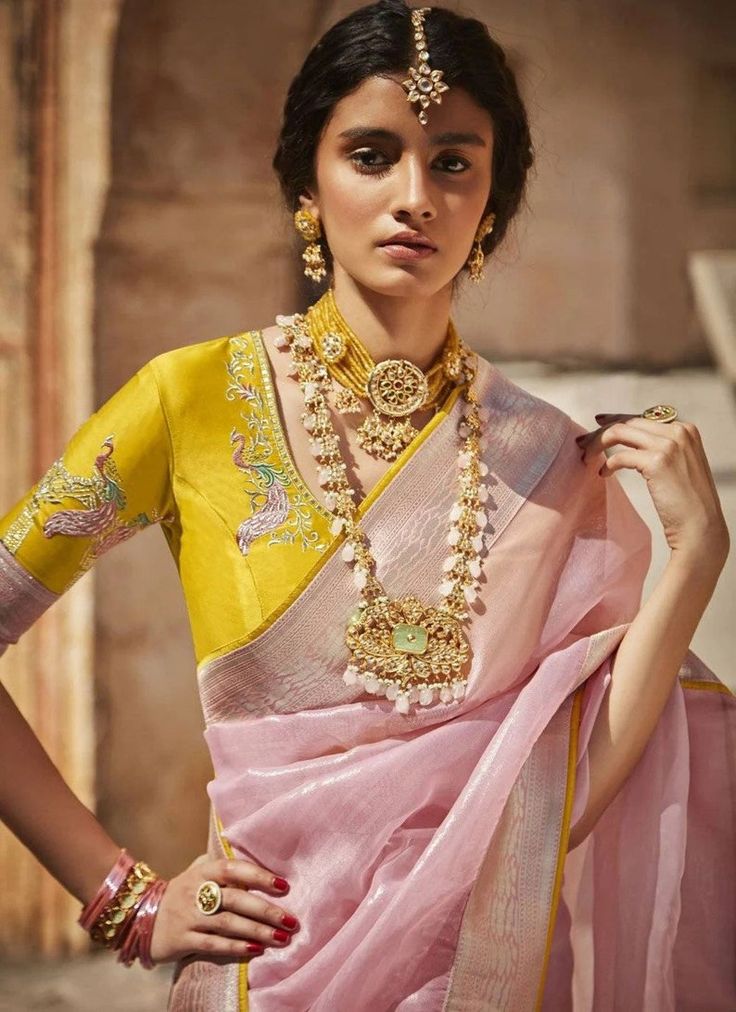
Tissue silk sarees are renowned for their metallic sheen and lightweight feel. Woven with silk threads and Zari, these sarees have a shimmering appearance that makes them perfect for many occasions. Originating from Varanasi, tissue silk sarees often feature intricate designs and traditional motifs. They are very lightweight, therefore, this feature makes them suitable for longer duration. These sarees should be dry cleaned and stored carefully to maintain their lustre and to prevent damage.

26. Art Silk Sarees
Artificial silk is a synthetic fibre that closely resembles natural silk but is produced using synthetic materials like rayon or polyester. These sarees have gained popularity due to their affordability, versatility, and resemblance to genuine silk sarees. These are designed to mimic the look and feel of natural silk. Primary reasons for the popularity of these sarees is their cost-effectiveness. They provide the elegant look of silk at a fraction of the price, making them accessible to a broader audience. They come in a wide variety, from traditional motifs to contemporary styles, thus, there is an art silk saree for every taste and occasion. They require less maintenance compared to natural silk and are more resistant to stains and wrinkles, and many can be machine-washed, making them practical for everyday use. If you are looking for a perfect Art Silk Saree, then explore our collection personalised for you.
Conclusion
Silk sarees are a testament to India’s rich textile heritage and craftsmanship. Whether it’s for weddings, festivals, or daily wear, there is a silk saree to suit every occasion. Exploring these diverse styles not only enhances one’s wardrobe but also connects one to the vibrant cultural tapestry of India.
If you are searching for beautiful yet authentic Silk Sarees, search no more, as Maheshwar Handlooms brings you a great collection featuring wide variety of silk sarees including Banaras katan, Kanjivaram Zari, Pochampally Ikat, and many more, along with the local specialty that is, Maheshwari Cotton Silk Sarees. Here, you will find great quality at reasonable prices. Click here to start shopping.